Thursday, November 25, 2010

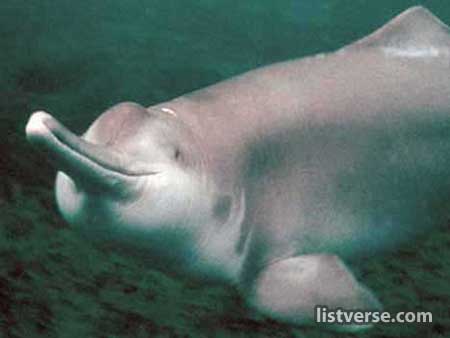
Yangtze River dolphin


This dolphin, also called a Baiji, is a freshwater dolphin found only in the Yangtze River in China. Unfortunately it has already reached the conservation status of Critically endangered – possibly extinct. Fossil records suggest that the dolphin first appeared 25 million years ago and migrated from the Pacific Ocean to the Yangtze River 20 million years ago.

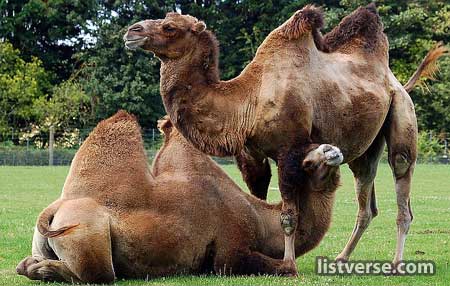
Bactrian camel


An imposing animal, the Bactrian camel can reach seven feet in height and weigh up to 1,500 pounds. The species’ thick, brown coat changes with the seasons. During winter, it thickens to provide added insulation against the cold while large chunks of fur are shed in the summer to keep the animal cool. Both male and female Bactrian camels have two large humps on their backs. The Bactarian camel is endangered due to loss of habitat.

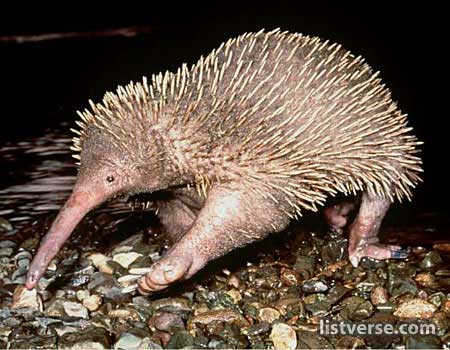
Attenborough’s long-beaked echidna


This animal is one of three species from the genus Zaglossus to occur in New Guinea. It is named in honour of Sir David Attenborough. It was considered extinct until recent expeditions have discovered tracks and locals have reported seeing the creature.

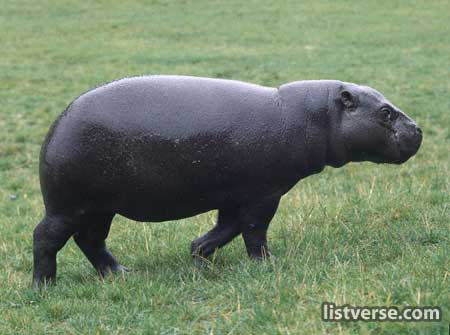
Pygmy hippopotamus


The pygmy hippo is a solitary animal that lives among dense vegetation along streams and swamps and in the rainforests of West Africa. It sometimes lives in cultivated areas, but the pygmy hippo is shy: it avoids people, as well as other hippos. Each hippo has its own territory. The male’s territory is larger than the female’s; both mark their territorial boundaries with their droppings. The pygmy hippo feeds mainly when it is dark. It spends most of the day resting within its territory. It changes resting places once or twice a week

unique animals


The Marine Iguana is one of the Galapagos's unique animals, it is the world's only sea-going lizard. Like many other Galapagos animals, there is one species, but several races and subspecies found on the different islands that vary noticeably in size and colour. They are common throughout the Islands on rocky shores.
They vary from the largest found in the north of Isabela Island which can grow to 1.3m, to the smallest found on Genovesa which doesn't get any larger than 75cm. They remind one of some sort of "Lost World" creature, with a spiky crest from the head all the way to the tail and some subspecies, the males in particular developing red or red and green colouration during the breeding season. They can sometimes appear to have some kind of growths on the skin due to the changes in colouration (but they don't).